

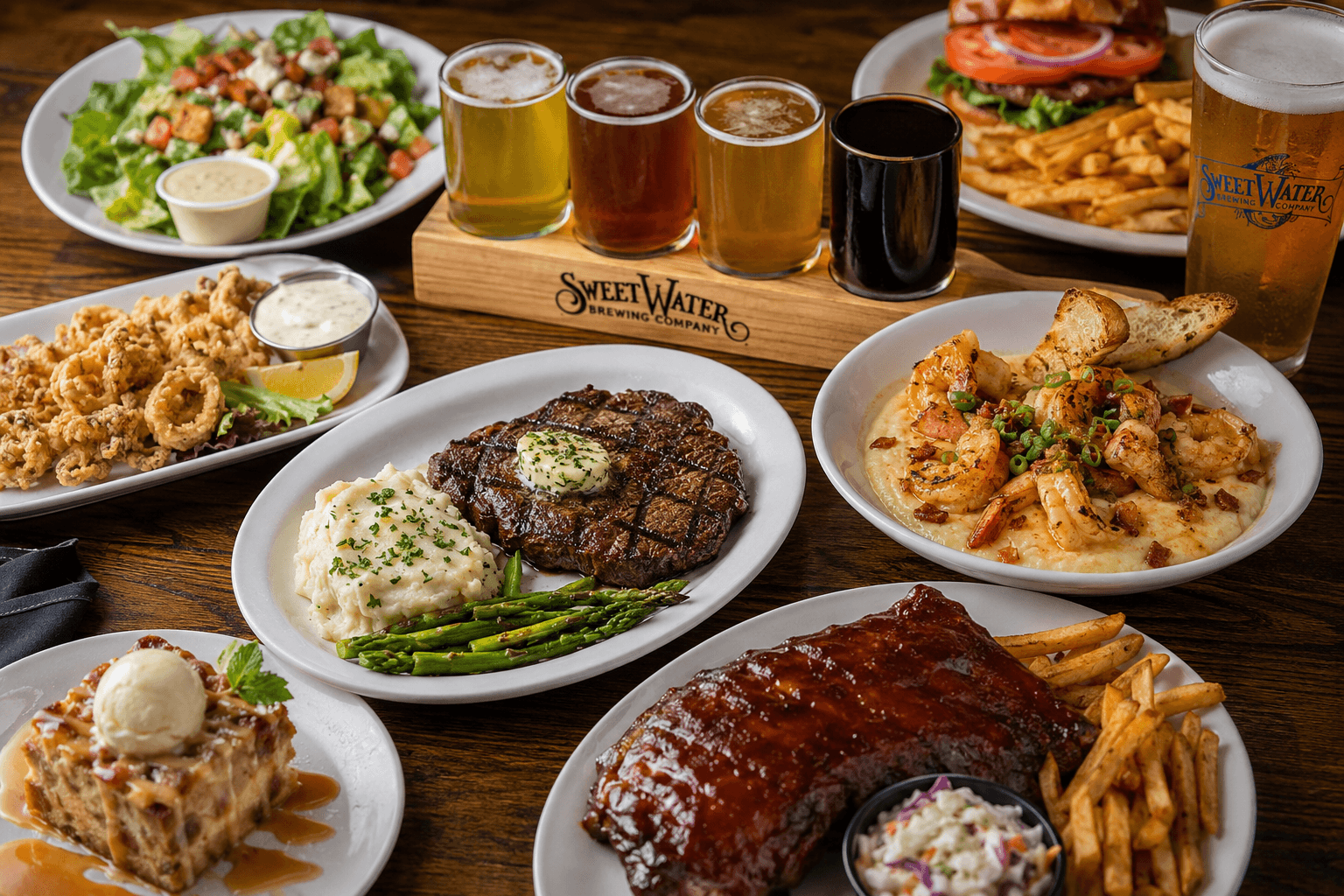
If you have ever driven past a restaurant or brewery taproom with the name “Sweetwater” on the sign, you have probably wondered what makes it different from every other neighborhood grill. The truth is, the name shows up in a lot of places across the country, from Southwestern-style taverns in Virginia to seafood-and-steak spots in Florida, and most famously, the Atlanta craft brewery that built a national following on the back of its beer and its food. What ties them together is a simple idea: comfortable, generous cooking paired with a laid-back atmosphere. The sweetwater menu, wherever you find it, tends to reward people who like real flavor over fuss.
This article walks through what you can typically expect when you sit down to order at one of these restaurants, why the format works so well, and how to get the most out of your visit.
Where the Sweetwater Name Comes From
The best-known version of this name belongs to SweetWater Brewing Company, founded in Atlanta in 1997 by two college roommates who wanted to build a West Coast-style craft brewery in the Southeast. The brand took its name from Sweetwater Creek, a tributary that feeds into the Chattahoochee River, and it grew from a small operation into one of the largest craft breweries in the region. Its taprooms in Atlanta and Fort Collins combine beer, live music, and a full food menu, which is where a lot of people first encounter the sweetwater menu concept.
At the same time, several independently owned restaurants also carry the Sweetwater name, including taverns, bar-and-grill spots, and family diners scattered across states like Virginia, South Carolina, Colorado, and Florida. Each one has its own personality, but they share a similar approach: hearty, satisfying dishes that don’t try too hard to be fancy.
Understanding the Structure of a Sweetwater Menu
Most versions of it are organized the way a lot of American casual-dining menus are, moving from lighter bites toward heartier plates. You will usually see starters and shareables first, followed by soups and salads, then a run of entrees split between land, sea, and vegetarian options, and finally desserts. Drink menus, especially at brewery-style locations, often get their own dedicated section since beer pairings are part of the appeal.
What stands out about this format is how approachable it feels. Nothing requires translation, and there is rarely a dish you need the server to explain twice. That accessibility is part of why these restaurants tend to build loyal, repeat customers rather than one-time visitors chasing a trend.
Appetizers Worth Starting With
Starters at these restaurants lean toward shareable, crowd-pleasing options rather than delicate small plates. Crispy onion rings, loaded pickles with a tangy batter, calamari, and various fried seafood bites show up again and again across locations. Some spots add a regional twist, like alligator bites in coastal areas or fresh-baked artisan bread paired with sweetened honey butter as a table starter before the meal even begins.
These appetizers set the tone for the rest of the meal. They are built for sharing, which fits the overall vibe of these restaurants as places for groups, families, and casual get-togethers rather than quiet solo dinners.
Main Courses and Signature Dishes
The heart of any sweetwater menu is usually a strong lineup of proteins done simply and well. Steaks are a common anchor, whether that means a grilled filet mignon with demiglace or a sirloin finished with a lime sauce. Seafood plays an equally important role, with dishes like grilled grouper over couscous, shrimp and grits, crab cakes, and seafood towers built around fresh, sustainable catches.
Barbecue and Southern-leaning comfort dishes also appear frequently, especially at locations with a tavern or Southwestern theme. Ribs cooked until they fall off the bone, pulled pork sandwiches, and burgers built with quality beef are staples that keep regulars coming back. What makes these entrees memorable isn’t complexity, it’s execution. The kitchens behind these restaurants tend to focus on getting a handful of dishes exactly right rather than overwhelming guests with options.
Craft Beer and Drink Pairings
Because the SweetWater Brewing Company name is tied directly to beer, the drink side of the sweetwater menu deserves its own mention. The brewery’s lineup includes IPAs, pale ales, seasonal brews, and limited releases with playful names that reflect the brand’s “Don’t Float the Mainstream” motto. Classics like the 420 Extra Pale Ale sit alongside rotating options like hazy IPAs, brown ales, and even a crisp, easy-drinking lager added to the year-round lineup in recent years.
At taprooms, food is often designed with beer pairings in mind, so heartier, slightly spiced dishes show up alongside hoppier beers, while lighter fare pairs with the brewery’s crisper offerings. Even at Sweetwater-named restaurants that aren’t affiliated with the brewery, you will often find a solid selection of local beers, house cocktails, and pitcher-friendly drinks that suit the casual atmosphere.
Vegetarian and Lighter Options
Not every dish at these restaurants revolves around steak or seafood. Most locations make a real effort to include vegetarian dishes that hold their own rather than feeling like an afterthought. Quinoa bowls with roasted vegetables, hearty soups, fresh salads, and vegetable-forward sides are common. Tomato basil soup, feta salad, and grilled vegetable plates show up often enough to suggest these kitchens put real thought into balancing their offerings.
For anyone dining with a group that has mixed preferences, this range matters. It means a table full of steak lovers, seafood fans, and vegetarians can all find something satisfying without anyone settling for a side salad as their main course.
Desserts and Sweet Endings
Desserts at these restaurants tend to lean comforting rather than experimental. White chocolate bread pudding, key lime pie, and other classic Southern-style sweets appear frequently, along with simpler options like a scoop of ice cream or a slice of pie. These desserts are usually rich and generously portioned, matching the overall philosophy of the restaurant: give people something satisfying without overcomplicating it.
Tips for Ordering from the Sweetwater Menu
A few things can help you get the most out of your visit. First, ask about daily specials or chalkboard items, since many of these restaurants rotate seasonal dishes that don’t always make it onto the printed menu. Second, if you’re at a brewery taproom, consider ordering a beer flight before committing to a pint, since it gives you a chance to taste several styles and match one to your meal.
It also helps to come hungry and ready to share. Portions tend to run generous, and appetizers are often built with groups in mind. If you’re dining with people who have different tastes, lean into the variety a sweetwater menu typically offers rather than everyone ordering the same familiar dish.
Why People Keep Coming Back
Restaurants carrying the Sweetwater name, whether connected to the Atlanta brewery or independently owned, tend to build loyal followings for similar reasons. The food is consistent, the portions are fair, and the atmosphere rarely feels stuffy or overly formal. Reviewers across different locations mention the same things repeatedly: friendly service, dishes that arrive hot and well-prepared, and an environment that works equally well for a casual weeknight dinner or a celebration with a bigger group.
That consistency is really the heart of the appeal. This style of cooking doesn’t try to reinvent dining. Instead, it focuses on doing familiar, satisfying food well, pairing it with good drinks, and creating a space where people actually want to linger.
Frequently Asked Questions
Is there one official Sweetwater menu, or does it vary by location?
It varies. SweetWater Brewing Company has its own taproom menus in Atlanta and Fort Collins, while independently owned restaurants using the Sweetwater name have entirely separate menus. If you’re looking for a specific location, it helps to confirm which Sweetwater you mean.
Does the sweetwater menu include vegetarian options?
Yes, most locations include vegetarian dishes such as quinoa bowls, salads, and vegetable-based sides, so there’s usually something beyond a basic side salad for non-meat eaters.
Are Sweetwater restaurants good for groups?
Generally, yes. The shareable appetizers, generous portions, and casual atmosphere make these spots well suited to larger groups and family gatherings.
What is SweetWater Brewing Company known for on its food menu?
Its taprooms pair a rotating beer lineup with hearty, casual food designed to complement the beer, often including pub-style dishes, shareable starters, and seasonal specials.
Do prices vary a lot between different Sweetwater locations?
Yes, since these are separate businesses in different regions, pricing depends on the specific restaurant, its location, and local market rates. It’s worth checking directly with the location you plan to visit.
Is it necessary to make a reservation before visiting?
Many Sweetwater-named restaurants get busy on weekends, especially ones known for live music or brewery tours, so calling ahead or checking wait times is a good idea, even if reservations aren’t strictly required.
